
Understanding the psychology behind gambling and player behavior
The Allure of Gambling
The allure of gambling is a complex phenomenon that captivates millions worldwide. It often combines excitement and risk, making it appealing as players seek both entertainment and the possibility of winning substantial rewards. This thrill can lead to emotional highs and lows, with each bet extending the player’s journey through anticipation and potential triumph.
Psychological factors play a crucial role in this attraction. For many individuals, gambling can serve as an escape from daily stressors, offering a temporary reprieve from reality. The combination of social interaction in casinos and the adrenaline rush from betting heightens the engageability of gambling, encouraging players to delve deeper into this world.
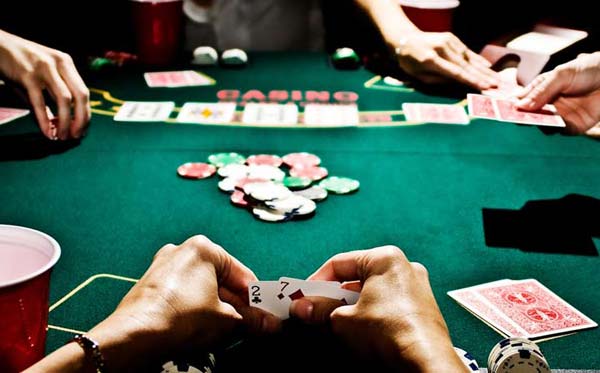
The elements of chance and uncertainty in gambling enhance its intrigue. Each game initiates a new sequence of outcomes, keeping players on the edge of their seats. As players focus on the possible rewards, they often subconsciously ignore the associated risks. This dichotomy between risk and reward becomes a powerful driving force, perpetuating a cycle of engagement that can be difficult to break.
real money pokies app for android
Players often fall victim to cognitive biases that skew their judgment and decision-making. One of the most common is the “gambler’s fallacy,” where individuals believe that past outcomes can predict future events. For instance, a player may feel that a slot machine is “due” for a win after a prolonged losing streak, leading to increased bets despite a lack of statistical backing.
These cognitive distortions are not mere mistakes; they are intrinsic to the human psyche. By understanding such biases, individuals can begin to recognize patterns in their own behavior, potentially leading to more informed and rational decisions when engaging in gambling activities. In turn, this awareness can enhance overall player experiences and possibly mitigate the risks associated with gambling addiction.

Additionally, the illusion of control is another significant cognitive bias in gambling. Players often believe they can influence the outcome of games of chance, such as poker or blackjack, through skill or strategy. This belief can lead to persistent gambling behavior, as players feel empowered to change their fortunes, despite the inherent randomness of the games.
Emotional Dynamics in Gambling
The emotional dynamics of gambling are multifaceted and can significantly influence player behavior. The thrill of winning can create feelings of euphoria, but losses can also lead to distress and desperation. This rollercoaster of emotions makes gambling a compelling yet precarious endeavor, where players can easily become ensnared in a cycle of chasing losses.
Moreover, the companionship found within gambling environments, especially in social settings like casinos, can enhance emotional satisfaction. Players often bond over shared experiences and victories, amplifying their enjoyment. This communal aspect, however, can also contribute to social pressure, where individuals may feel compelled to gamble more than they intend or can afford, driven by their peers’ excitement and experiences.
Acknowledging one’s emotional responses while gambling is crucial for maintaining a healthy relationship with the activity. Players who can differentiate between their emotional states and their gambling decisions are better equipped to handle the ups and downs that come with this pursuit. Techniques such as mindfulness can assist players in staying grounded, allowing them to enjoy the experience without losing control.
Risk and Reward in Player Motivation
The interplay between risk and reward serves as a fundamental component of gambling psychology. Players are typically motivated by the opportunity for high rewards, often overlooking the risks involved. This tendency can lead to overconfidence, as individuals chase the next big win without fully considering the odds stacked against them.
This dynamic can also be analyzed through the lens of behavioral economics, which shows that individuals often underestimate risks in pursuit of potential gains. Understanding this relationship can facilitate healthier gambling practices, as players learn to balance their aspirations with a more realistic assessment of probability and risk management, ultimately leading to more sustainable behavior.
Moreover, the design of games often amplifies the allure of rewards, with jackpots and bonuses drawing players in. The cyclical nature of wins and losses, combined with the intermittent reinforcement seen in many gambling scenarios, reinforces the desire to continue playing, despite the inherent risks. As players become immersed in this environment, they may struggle to recognize the long-term financial consequences of their gambling behavior.
The Role of Informational Resources
As the gambling industry grows, the need for reliable and informative resources becomes paramount. Websites dedicated to educating players about responsible gambling practices and psychological insights can be invaluable. These resources arm players with knowledge, enabling them to make informed decisions and recognize the signs of problematic behavior.
Furthermore, a focus on comprehensive guides and tutorials can enhance player experiences, allowing individuals to engage with gambling in a more balanced and mindful way. By providing players with tools and insights, such platforms contribute to a healthier gambling environment, fostering enjoyment while mitigating potential harms associated with gambling.
For example, many organizations offer workshops and online courses designed to educate individuals about the risks involved in gambling and strategies for maintaining control. Accessing these informational resources can empower players to make choices that align with their financial and personal goals, ultimately promoting a more sustainable relationship with gambling.