
The impacts of gambling addiction on mental health A Wild Tokyo perspective
Understanding Gambling Addiction
Gambling addiction, often referred to as compulsive gambling, is a behavioral addiction characterized by an uncontrollable urge to gamble despite negative consequences. This addiction can manifest in various forms, including online gaming, poker, or traditional casino games. For many individuals, gambling starts as a source of entertainment, but it can quickly escalate into a problematic behavior that negatively impacts personal and financial well-being. The allure of potential winnings and the thrill of risk create a compelling cycle that can be hard to break. One exceptional option for players seeking a thrilling experience is Wild Casino, which offers a wide range of games.

The prevalence of gambling addiction has been rising globally, including in urban settings like Tokyo, where the vibrant casino culture thrives. In such environments, the easy access to gaming options may contribute to increased incidences of gambling-related problems. Notably, the combination of skill and luck in many games can create a deceptive sense of control among players, leading them to gamble beyond their means. This false sense of security plays a crucial role in the development of gambling addiction, making it essential to understand the factors that contribute to this phenomenon.
The impact of gambling addiction goes beyond just financial ruin; it deeply affects an individual’s mental health. The constant cycle of winning and losing can lead to anxiety, depression, and feelings of hopelessness. Understanding the complex psychological factors involved in gambling addiction is vital for identifying effective treatment options and support systems. By recognizing the signs and understanding the implications of this addiction, individuals can seek help before reaching a crisis point.
Mental Health Consequences
The mental health implications of gambling addiction are profound and multifaceted. Individuals struggling with this addiction often experience heightened anxiety and stress, which can lead to a range of emotional and psychological issues. The fear of financial loss, coupled with the pressure to recover losses, can create a vicious cycle that exacerbates anxiety disorders. As individuals delve deeper into their addiction, they may find themselves withdrawing from social circles, further isolating themselves and increasing feelings of despair.
Moreover, depression is a common consequence of gambling addiction. The feelings of guilt and shame that accompany losses can lead to a negative self-image and a sense of worthlessness. Many individuals may use gambling as an escape from these feelings, perpetuating the cycle of addiction. This cycle can lead to suicidal thoughts in severe cases, highlighting the critical need for intervention and support systems that address both gambling habits and underlying mental health issues.
It’s crucial to note that the mental health consequences of gambling addiction do not just affect the individual; they extend to families and communities as well. The emotional and financial strain placed on loved ones can lead to familial discord and strained relationships. These broader impacts underscore the necessity for comprehensive awareness campaigns and community resources aimed at addressing gambling addiction and its effects on mental health.
Societal Implications in Tokyo
The societal implications of gambling addiction in Tokyo are significant, reflecting a cultural landscape that is increasingly influenced by gambling activities. As new gaming establishments continue to emerge, the potential for addiction becomes a pressing public health concern. The normalization of gambling can lead to a societal attitude that downplays the seriousness of addiction, creating barriers to effective treatment and recovery. In this context, addressing gambling addiction requires a collective effort from governmental bodies, health organizations, and communities.
Tokyo’s unique blend of traditional values and modern entertainment can contribute to the complexity of gambling addiction. In a city known for its bustling lifestyle and high-pressure environment, individuals may turn to gambling as a coping mechanism. This reliance can further entrench their addiction, making it imperative for the community to foster open dialogues about the risks associated with gambling. By addressing these issues head-on, Tokyo can create a supportive environment that promotes mental health awareness and gambling addiction prevention.
Furthermore, there is a pressing need for resources and support networks tailored to the unique challenges faced by individuals in urban settings. Local organizations and mental health professionals must collaborate to provide accessible education on gambling addiction and its mental health impacts. This approach not only helps those affected but also informs the wider community, paving the way for a more informed and proactive society.
Effective Treatment and Support
Addressing gambling addiction requires a multifaceted approach that encompasses both psychological support and practical strategies. Cognitive-behavioral therapy (CBT) is one of the most effective treatment modalities for individuals struggling with gambling addiction. This therapeutic approach helps individuals identify and change their destructive thought patterns and behaviors associated with gambling, fostering healthier coping mechanisms. Additionally, support groups can provide a sense of community and understanding, allowing individuals to share their experiences and recovery journeys.
Incorporating mental health professionals who specialize in gambling addiction into treatment programs is crucial. These experts can help develop tailored treatment plans that address the individual’s unique needs and circumstances. Furthermore, integrating family therapy into treatment can aid in repairing strained relationships and providing a comprehensive support system for recovery. This holistic approach fosters not only individual healing but also collective resilience among families affected by gambling addiction.
Education and awareness play a vital role in prevention and treatment efforts. Community outreach programs that focus on the risks associated with gambling can empower individuals to make informed decisions. Schools, workplaces, and community centers should incorporate educational resources that highlight the signs of gambling addiction and the importance of seeking help. By proactively addressing these issues, communities can work towards minimizing the incidence of gambling addiction and its impact on mental health.
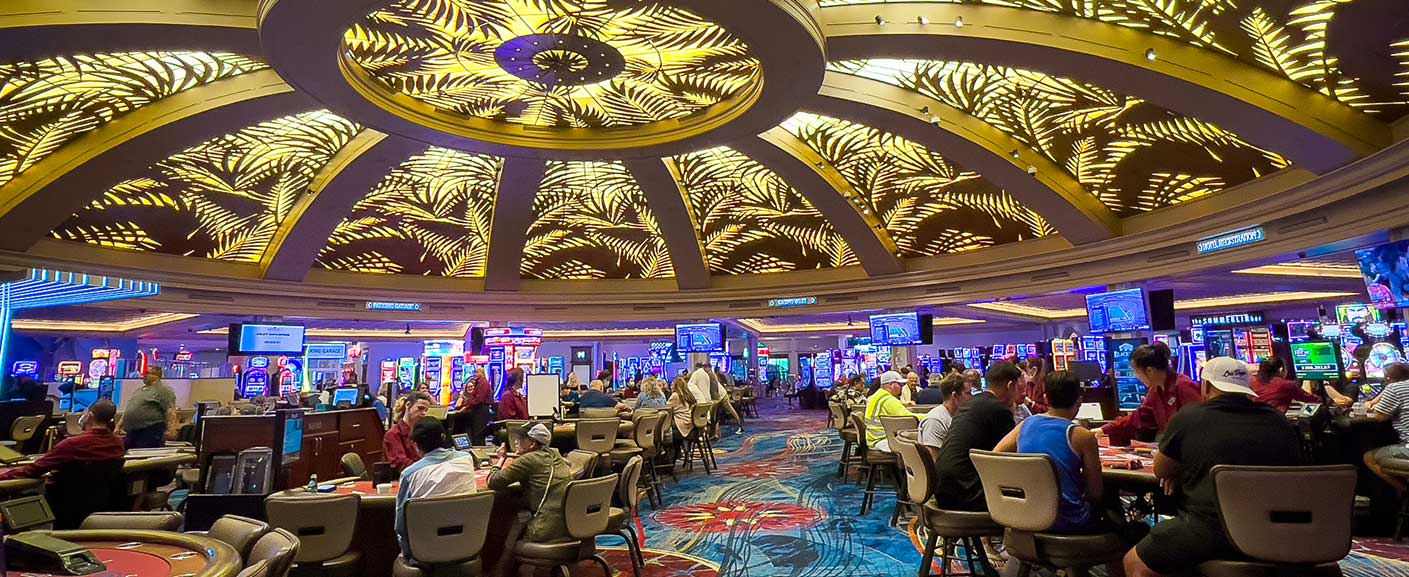
Wild Tokyo Casino’s Commitment to Responsible Gaming
At Wild Tokyo Casino, we understand the importance of fostering a responsible gaming environment for our players. We prioritize player well-being by promoting responsible gaming practices that encourage individuals to enjoy their gaming experience without compromising their mental health. Through educational resources and support services, we aim to inform players about the potential risks associated with gambling while providing them with tools to make responsible choices.
Our platform offers features designed to promote safer gaming experiences, such as deposit limits, self-exclusion options, and access to support resources for those who may be struggling with gambling addiction. By empowering players to take control of their gaming habits, Wild Tokyo Casino contributes to a healthier gaming community that prioritizes mental well-being.
Furthermore, we are dedicated to collaborating with mental health organizations and professionals to raise awareness about gambling addiction and its effects on mental health. Our commitment to responsible gaming goes beyond compliance; it’s about fostering a culture of care and support that resonates within the gaming community. Together, we can create a safe and enjoyable environment where players can thrive without falling prey to the pitfalls of gambling addiction.